
Living with interstitial cystitis can be hard. It may cause pelvic pain, bladder pressure, and frequent urges to urinate. Flare-ups can disrupt your daily life. They may also make it hard to sleep.
Finding relief can take time. Simple changes may help you manage your symptoms. Your daily habits can affect bladder comfort. Diet, hydration, stress, and gentle exercise may all play a role.
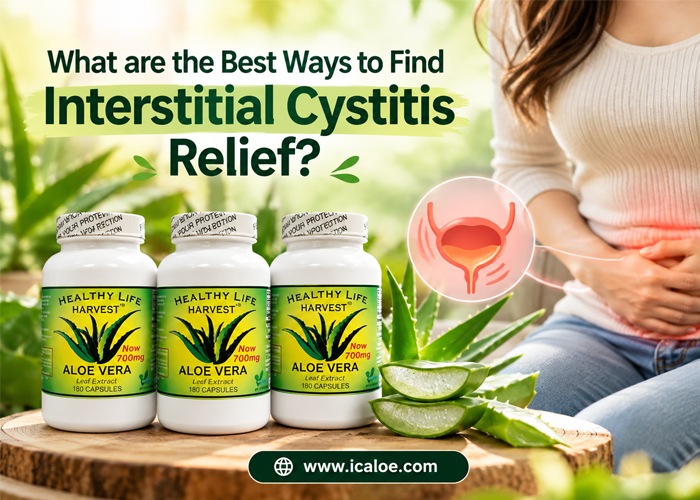
Some people also use supplements for added support. Products such as Healthy Life Harvest’s ICAloe are made for people who need bladder-friendly nutritional support.
Drink Plenty of Fresh Water
Drinking enough water helps dilute your urine. This may reduce bladder irritation. It can also support normal bladder function. Try to drink water throughout the day. Avoid drinking too much at one time. Your fluid needs may vary based on your health and daily activity.
Follow an IC-Friendly Diet
Some foods can make bladder symptoms worse. Common triggers include citrus fruits, tomatoes, spicy foods, and acidic drinks. An IC-friendly diet focuses on foods that you can tolerate. Keep track of what you eat and how you feel afterward. This can help you find your personal food triggers.
Practice Gentle Pelvic Stretches
Tight pelvic muscles can put more pressure on your bladder. Gentle stretches may help relax these muscles. Try simple stretches for your hips and lower back. Move slowly and avoid any movement that causes pain. A physical therapist can also show you safe exercises for your needs.
Manage Daily Stress Levels
Stress can make bladder symptoms feel worse. It may also cause your muscles to become tense. Try simple ways to relax each day. Deep breathing, light stretching, and meditation may help. Even a few quiet minutes can give your body time to relax.
Apply Soothing Heat Packs
A warm heating pad may relax the muscles around your pelvis. It may also provide short-term comfort during a flare-up. Use gentle heat instead of high heat. Place a cloth between your skin and the heating pad. Follow the safety directions that come with the product.
Try Specialized Aloe Vera Supplements
Some people use aloe vera supplements to support bladder comfort. Specialized products such as ICAloe contain aloe compounds and other nutrients.
Not every aloe product is made the same way. Check the ingredients before using a supplement. Talk with your healthcare provider if you have questions or other health concerns.
Could Clinically Studied Aloe Vera Support Better Interstitial Cystitis Relief?
Some people with interstitial cystitis use specialized aloe vera as part of their daily care. Certain aloe compounds may support healthy tissue and normal body responses.
More research is needed to understand how ICAloe affects interstitial cystitis. Supplements should also not replace medical care. Talk with a healthcare professional about your options.
Supports the Bladder’s Protective Barrier
Your bladder has a natural protective lining. This lining helps protect bladder tissue from urine. Some aloe compounds contain polysaccharides. These compounds may support healthy tissue function. A healthy bladder lining can help support normal bladder comfort.
Supports a Healthy Inflammatory Response
Aloe vera contains natural compounds that researchers have studied for their effect on inflammation. A healthy inflammatory response is important for normal tissue function. Aloe may offer added nutritional support. However, more research is needed to confirm its effects on interstitial cystitis.
Supports Muscle and Nerve Function
Some aloe formulas contain magnesium. Magnesium helps your muscles and nerves work properly. Getting enough magnesium supports normal muscle function. It may also support healthy nerve activity. However, magnesium should not be viewed as a cure for bladder spasms or pelvic pain.
Provides Calcium and Other Minerals
Some aloe supplements contain calcium and other minerals. Calcium helps support normal muscle and nerve function. Your body needs calcium in the right amount. A healthy diet can provide much of the calcium you need. Supplements may help when your diet does not provide enough.
Supports Mineral Absorption
Some formulas also contain vitamin D3. Vitamin D helps your body absorb calcium. It also supports normal muscle and immune function. Getting enough vitamin D can support your overall health. More is not always better, so follow recommended amounts.
Provides Essential Trace Minerals
Your body needs small amounts of many trace minerals. These nutrients support normal nerve, muscle, and cell function. A balanced diet can provide many of these minerals. A supplement may help fill certain nutritional gaps when needed.
Designed for Sensitive Bladder Needs
People with sensitive bladders need to check supplement ingredients carefully. Some aloe products may contain ingredients that do not work well for everyone.
ICAloe is designed with sensitive bladder needs in mind. Still, you should check the full ingredient list before use.
If you have Hunner’s ulcers or severe bladder symptoms, talk with your healthcare provider before taking a new supplement.
Key Takeaways
- Drink enough water to help keep your urine diluted throughout the day.
- Avoid foods that you know can trigger bladder symptoms during flare-ups.
- Use gentle stretches to relax tight pelvic muscles and reduce tension.
- Find simple ways to manage daily stress and promote better relaxation.
- Use gentle heat for short-term comfort during painful bladder flare-ups.
- Specialized aloe products may support bladder health and overall daily comfort.
- Magnesium and trace minerals support normal muscle and nerve function every day.
- Talk with your healthcare provider before starting a new daily supplement.
Simple Steps Toward Pain-Free Living
Managing interstitial cystitis often takes time and patience. Start with simple habits. Drink enough water and learn which foods trigger your symptoms. Gentle stretching, stress relief, and heat may also help.
Many people also use supplements such as ICAloe for added nutritional support. Your symptoms may change over time. Work with your healthcare provider to find an approach that fits your needs. Small changes can make daily symptom management easier. Learn more about our specialized aloe vera supplements on our website.
Frequently Asked Questions
Q.1) What is interstitial cystitis and how does it affect the bladder?
Interstitial cystitis is a long-term bladder condition. It can cause bladder pain, pelvic pain, pressure, and frequent urination. Some people also feel a strong urge to urinate. Symptoms can vary from one person to another.
Q.2) How does an IC-friendly diet help reduce daily bladder pain?
An IC-friendly diet focuses on foods that are less likely to trigger your symptoms. Common triggers may include spicy foods, acidic foods, and caffeine. A food diary can help you find foods that cause problems for you.
Q.3) Why is ICAloe different from basic aloe vera drinks sold in stores?
Aloe vera drinks can have different ingredients and processing methods. Some may contain ingredients that are not suitable for people with sensitive bladders. ICAloe is made with sensitive bladder needs in mind. Check the ingredient list before choosing any aloe supplement.
Q.4) How do trace minerals and magnesium support normal muscle function?
Magnesium and trace minerals help your muscles and nerves work normally. Getting enough of these nutrients supports many body functions. However, supplements are not a guaranteed way to stop bladder spasms or urinary urgency.
Q.5) Is aloe vera safe for people suffering from severe Hunner’s ulcers?
People with Hunner’s ulcers should take care when choosing supplements. Different aloe products can have different ingredients. Talk with your healthcare provider before using aloe vera if you have active ulcers or severe bladder symptoms.
Q.6) How long does it take to notice relief after starting lifestyle adjustments?
The time can vary from person to person. Some people may notice changes after improving hydration or using gentle heat. Diet changes can take longer because you may need time to find your food triggers. Supplements can also affect people differently.